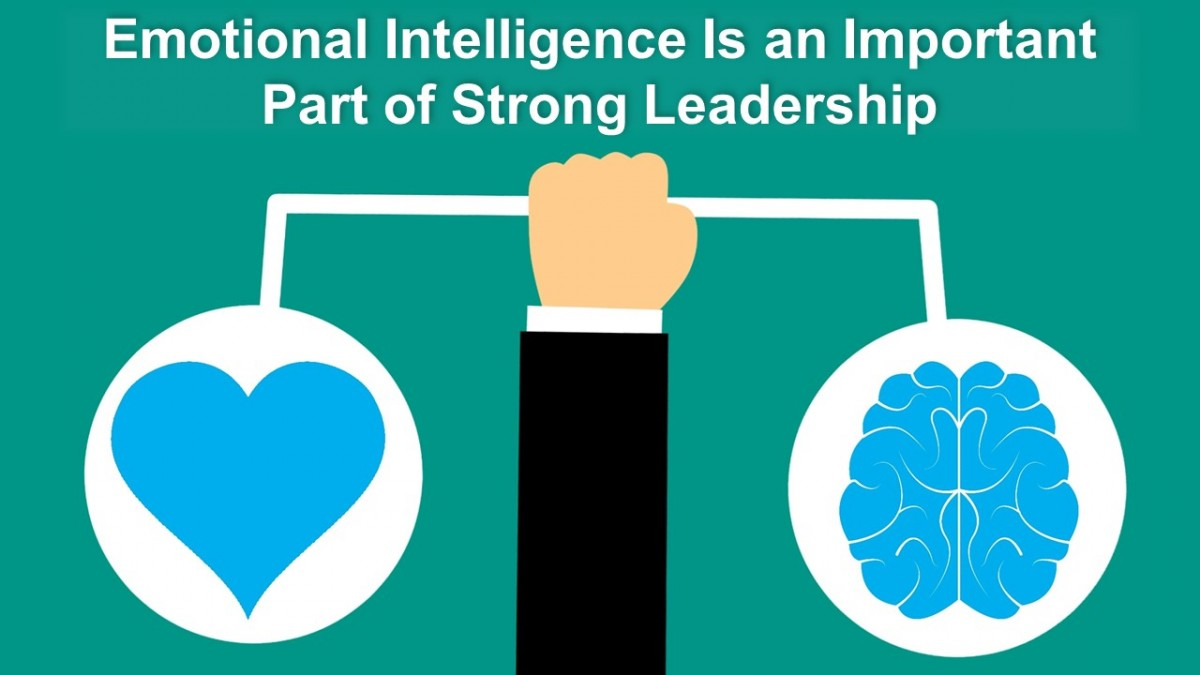
In today's rapidly evolving business landscape, technical skills alone are no longer sufficient to drive success. While AI and automation take over routine tasks, the uniquely human ability to understand, manage, and influence emotions—Emotional Intelligence (EI)—is becoming a critical differentiator for effective leadership.
The Components of EI
Emotional intelligence comprises self-awareness, self-regulation, motivation, empathy, and social skills. Leaders who master these areas can navigate complex interpersonal dynamics, foster trust, and inspire their teams to achieve higher levels of performance.
Why it Matters
Research consistently shows that high-EI leaders have lower turnover rates, higher employee engagement, and better profitability. They create psychological safety, allowing innovation to flourish.